Kitchens are no longer just for cooking. They are where people work, eat, do homework and stand around talking. Pendant lighting is one of the few fittings that handles that shift gracefully.
What pendants are actually for
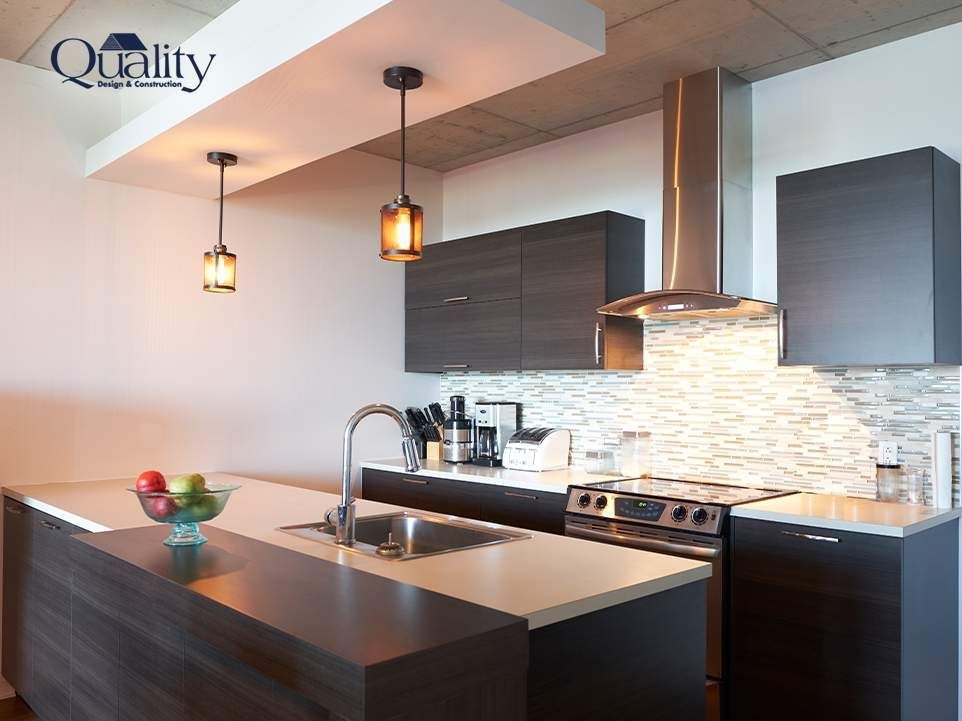
A pendant brings the light source down to where the work happens, which is why they belong over islands, peninsulas and breakfast bars rather than scattered across the room. Lower light means a more intimate pool and far less glare than the same output from the ceiling.
Height, spacing and number
Hang them high enough to see across and low enough to be useful, generally clear of sightlines when you are seated. Space them evenly along the island with a margin at each end rather than pushing them to the extremes. Odd numbers usually sit better on a long island, and two larger pendants often read better than three small ones on a short one.
Match the fitting to the counter
An open-bottomed pendant over a polished stone island will reflect the bulb straight back at anyone sitting opposite. Frosted glass, a diffuser or a deeper shade solves it.
Do not let them do all the work
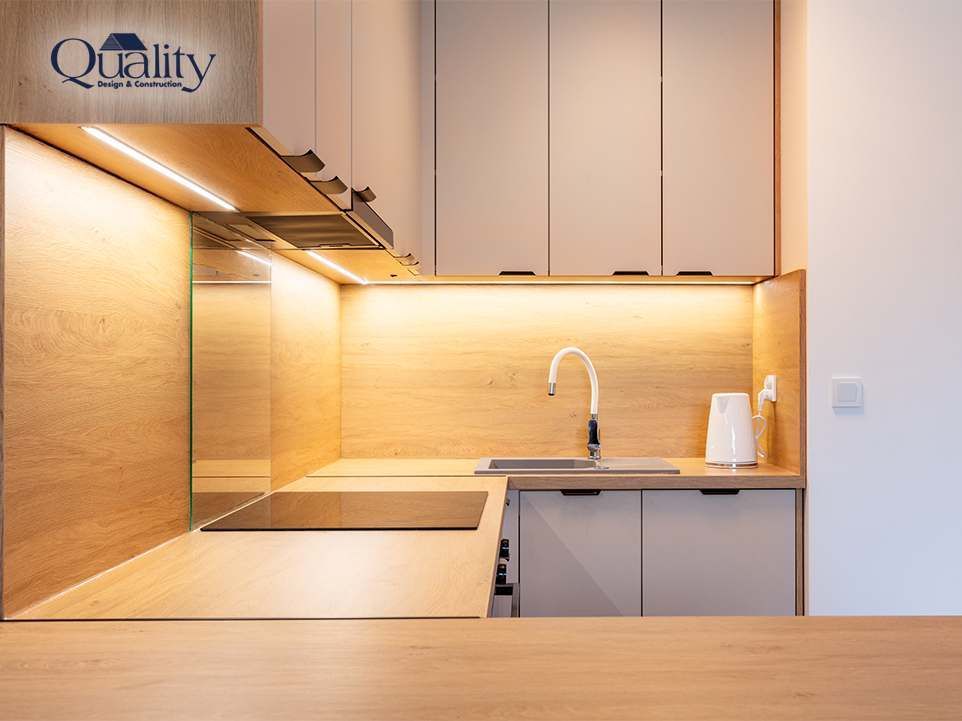
Pendants are the accent layer. They still need ambient light in the room and task light under the wall cabinets behind them. On their own they look wonderful in a photograph and leave you chopping in the dark.