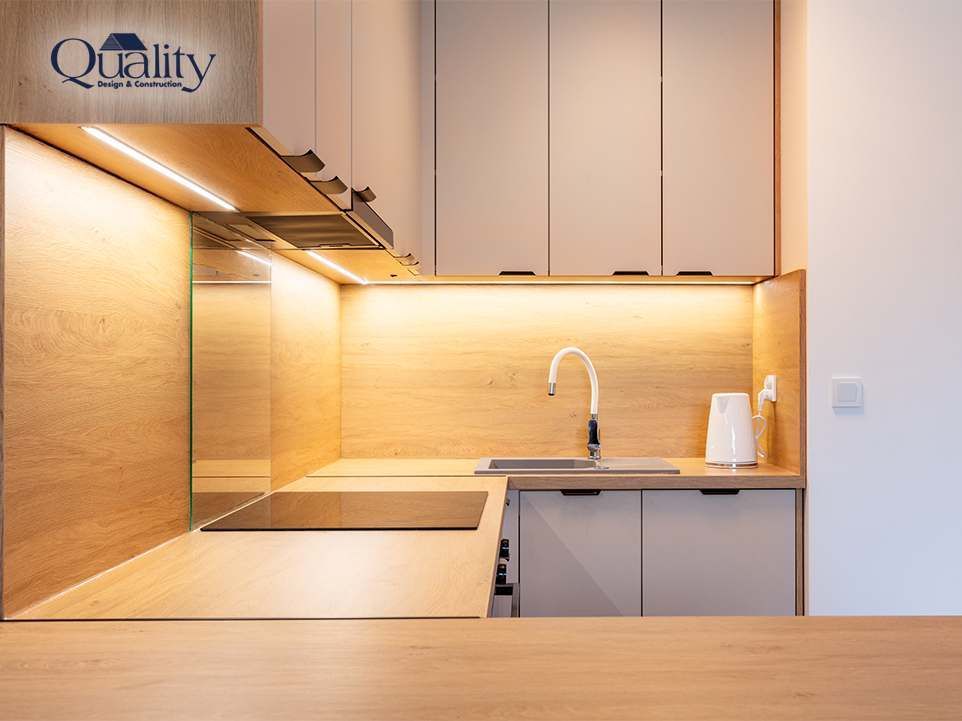
Repainting cabinet doors is genuinely one of the best-value changes you can make to a kitchen. It is also unforgiving, because cabinet doors sit at eye level in a bright room and every brush mark shows.
Preparation is most of the job
Take the doors off. Label them and their hinges, because they are not interchangeable. Clean every surface properly, degreasing thoroughly around the cooktop where years of cooking film has built up. Scuff sand, then remove the dust completely. Paint will not stick to grease and it will not hide dust.
Prime for the surface you have
Bare timber, previously painted, and factory-finished laminate all want different primers. Ask at the paint counter what suits what you actually have, rather than buying whichever primer is nearest.
Thin coats, and let them alone
Brush marks come from thick paint and from going back over a surface that has started to set. Two or three thin coats beat one heavy one every time. Load lightly, lay it off in one direction, and leave it. If the paint is dragging, it is already too late to fix on that coat.
Tools and drying
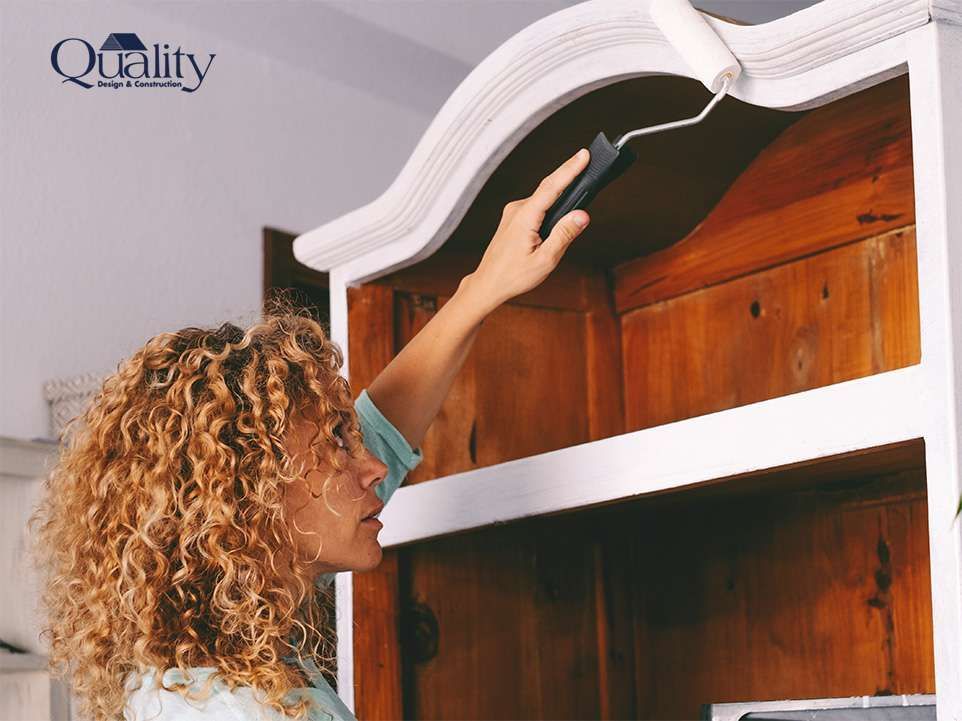
A quality synthetic brush for a water-based paint, or a fine foam roller followed immediately by a light brush pass, will get you close to a sprayed look. Dry the doors flat and horizontal so the paint self-levels instead of running, and respect the recoat times on the tin even when the surface feels dry.
When to hand it over
If the cabinet boxes are sound and you only want a new color, painting is excellent value. If the doors are delaminating, the layout does not work, or the boxes have had their day, you are about to spend a weekend making an old kitchen look slightly newer. That is the point to talk about replacing them.